In this auspicious occasion, we are delighted to delve into the intriguing topic related to The Next Year of Jubilee: A Comprehensive Exploration. Let’s weave interesting information and offer fresh perspectives to the readers.

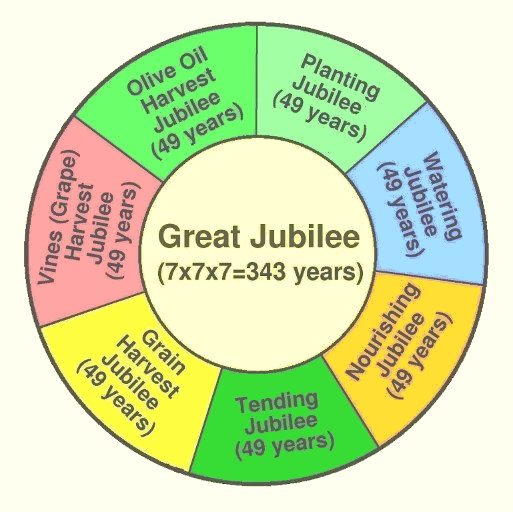
The concept of a Jubilee year, rooted in biblical tradition, holds profound significance in the realm of spirituality, finance, and social justice. Throughout history, this momentous occasion has been observed by various cultures and religions, marking a time for renewal, liberation, and restoration. In this article, we delve into the intricacies of the next Year of Jubilee, examining its historical origins, biblical foundations, and contemporary implications.
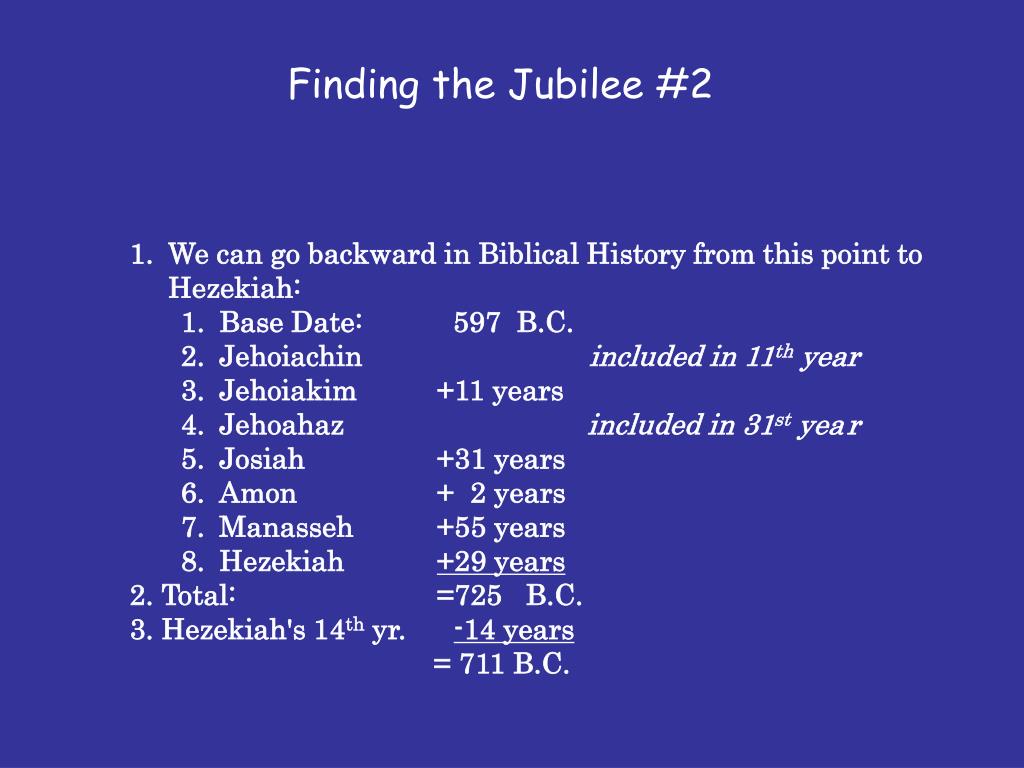
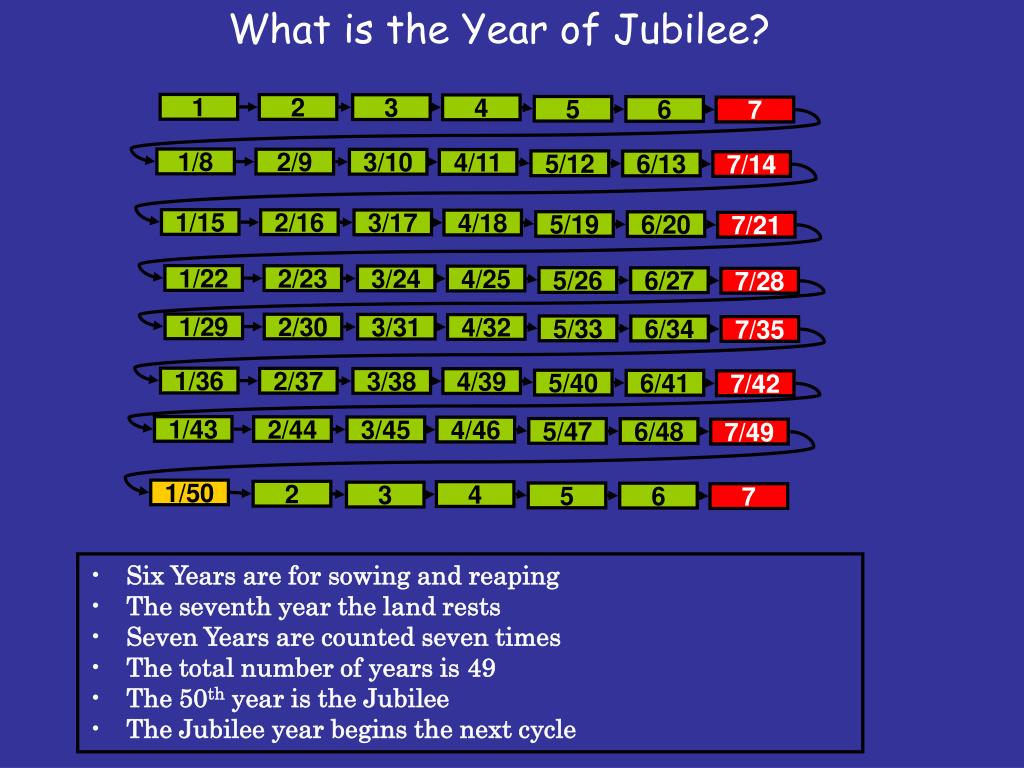
The concept of a Jubilee year finds its earliest roots in ancient Israel, as described in the book of Leviticus (chapter 25). Every 50 years, the Israelites were commanded to observe a special year known as the "Year of Jubilee" or "Yovel." During this year, all debts were forgiven, slaves were set free, and land that had been sold or seized was returned to its original owners. The Jubilee year was intended to serve as a time of economic and social renewal, ensuring that wealth and resources were equitably distributed throughout society.
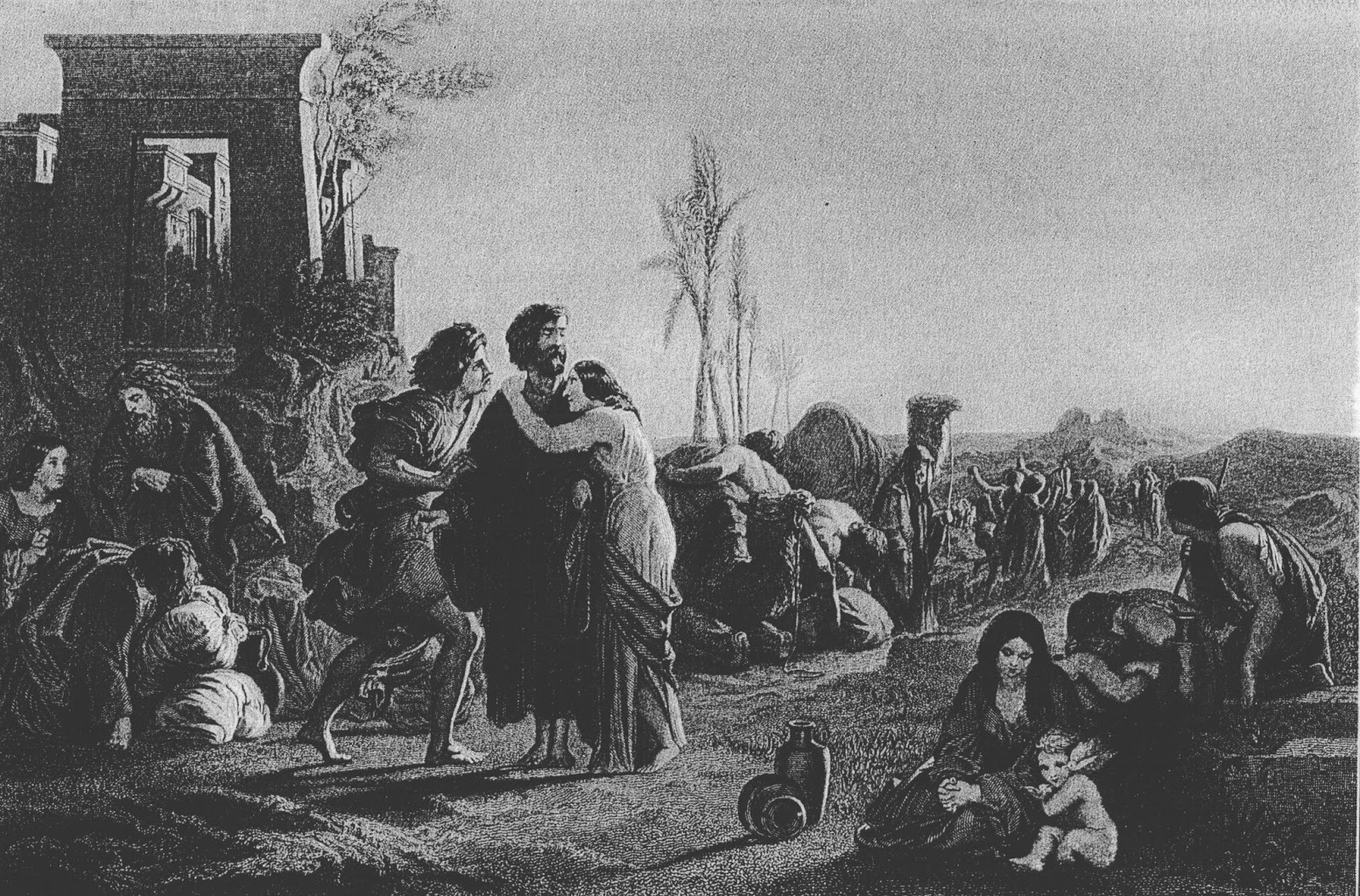
The Jubilee year also held spiritual significance. It was a time for repentance, forgiveness, and reconciliation. Individuals were encouraged to reflect on their past actions and make amends for any wrongs they had committed. The Jubilee year was thus a period of spiritual cleansing and renewal, fostering a sense of community and harmony among the people.

The biblical account of the Jubilee year provides several key principles that have shaped its interpretation and application throughout history.

The concept of a Jubilee year has continued to resonate in contemporary society, inspiring various movements and initiatives aimed at addressing economic inequality, social justice, and environmental sustainability.
Economic Justice: In the context of modern capitalism, the Jubilee year serves as a reminder of the need to address wealth inequality and ensure that the benefits of economic growth are shared by all. It calls for policies that promote fair wages, affordable housing, and access to healthcare and education for all.

Social Justice: The Jubilee year also highlights the ongoing struggle for social justice. It challenges us to confront systemic racism, discrimination, and oppression in all its forms. The Jubilee year calls for the creation of a more just and equitable society where everyone has the opportunity to reach their full potential.
Environmental Sustainability: The Jubilee year can also be applied to the realm of environmental sustainability. It reminds us of the need to care for the Earth and its resources for future generations. The Jubilee year calls for the adoption of sustainable practices, the reduction of pollution, and the protection of biodiversity.
The next Year of Jubilee is a significant event that carries profound implications for our present and future. It is a time to reflect on our past actions, address economic inequality, promote social justice, and care for the environment. By embracing the principles of the Jubilee year, we can create a more just, equitable, and sustainable world for all.

Thus, we hope this article has provided valuable insights into The Next Year of Jubilee: A Comprehensive Exploration. We thank you for taking the time to read this article. See you in our next article!